Programs · Mental health
Mental health
Culturally nuanced, compassionate therapy for immigrants and their families, grounded in privacy and continuity of care.
Confidential support, at your own pace
Culturally nuanced, compassionate therapy for immigrants and their families, grounded in privacy and continuity of care.
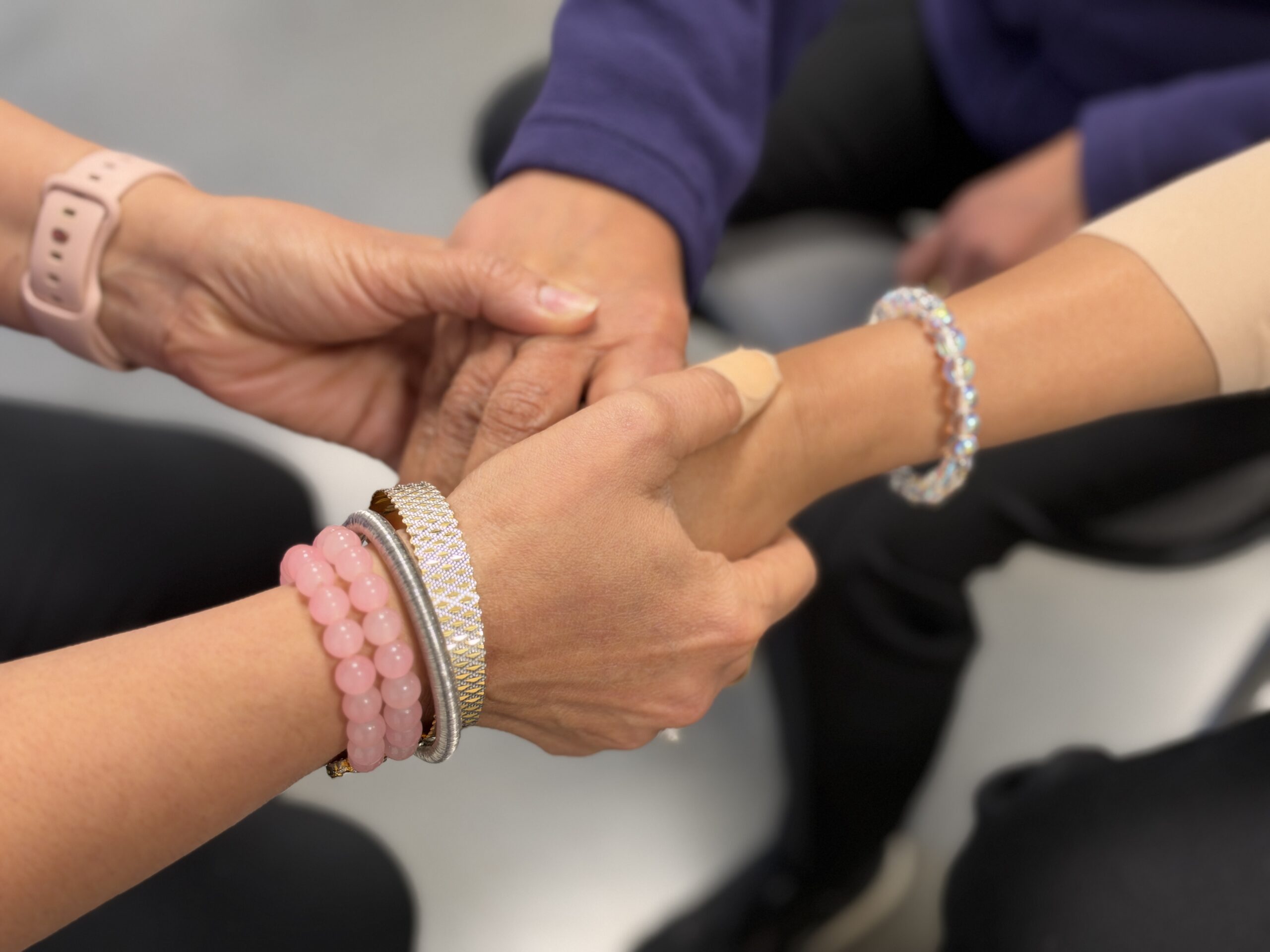
The challenges facing our community are deeply intertwined with culture and family dynamics. A senior may be quietly struggling with isolation and depression. A survivor of domestic abuse may need trauma-informed therapy to begin healing. A young person may be navigating anxiety and the pressure of expectations at home and at school.
For immigrant families, where these experiences are often compounded by displacement, family instability and unfamiliar systems, seeking help can be especially complex.
At IACS, we recognize the importance of culturally nuanced, compassionate mental health care that understands these complexities. Our therapy services are based on the following three fundamentals.
Cultural understanding is essential, not an added benefit. A therapist needs to understand the immigrant experience, including family structures, cultural expectations, stigma, and the complexities of navigating unfamiliar systems.
Privacy is a matter of safety, not just preference. This is particularly important for domestic abuse survivors.
People experiencing crisis may understand that they need help but still struggle to act on it. Depression, numbness, self-doubt, and helplessness can reinforce one another. Ongoing support helps individuals regain agency and move forward at their own pace.
At IACS, finding the right therapist is often just the beginning. We are not simply a place that matches people with a counselor. Our aim is to support the whole person, because when life is in crisis, challenges rarely arrive one at a time.
Someone seeking therapy after leaving an unsafe home may also be facing legal questions, worrying about how their children are coping, or trying to find steady footing at work. Therapy can help with the weight of it all, but real stability often needs more than one kind of support.
That is why many of the people who come to us for mental health care also find help through our legal services, early childhood and parenting support, youth programs and crisis care. Because these services work side by side, we can connect you with what you need, when you need it, so that each part of your life supports your healing.
Most of all, we stay with you. From the first conversation through every stage of therapy, we walk alongside our clients and help them through difficult moments in whatever way we can. What we offer is not a clinical solution, but a community, one where you are welcomed, cared for and never alone, and where you can find a sense of belonging and love as you heal.
Reaching out for help is only the first step. We stay involved, from finding the right therapist to making sure care stays within reach.
Finding the right therapist is the foundation of meaningful care, and it can take time. A good match means someone who understands your language, culture and lived experience. South Asian therapists are still few and far between, which adds to the challenge. We do the searching with you, so you don’t have to navigate it alone.
Healing rarely happens in a single session. We help clients understand why continuity matters, and we walk alongside them with patience, checking in, answering questions and encouraging them to keep going, especially on the days when it feels hardest.
In some situations, using insurance for mental health services may create concerns about confidentiality, disclosure, or personal safety, making access to care even more difficult. IACS works to reduce these barriers so that financial constraints, cultural stigma, or concerns about privacy do not stand in the way of seeking help, rebuilding confidence, and moving toward safety and healing.
Everyone heals differently. We offer several ways to get support, so you can choose what feels right for you.
One-on-one therapy with a licensed professional, in a private and confidential setting. Sessions are focused on your needs and move at your pace, with care that respects your culture, family and circumstances.
Therapist-led sessions, held online for clients in crisis, where people facing similar challenges come together. Joining from home makes it easier to take part safely and privately, and the group offers practical tools, shared insight and the reassurance of knowing you are not alone.
A gentle, community-centered space, also held online for clients in crisis, to share experiences, listen and support one another. Healing circles build connection and belonging, and help ease the isolation and stigma that often surround mental health.
Saathi is a group of women who come together through our healing circles. What begins as a safe place to be heard grows into something more: a community of women supporting one another as they heal, rebuild and look ahead.
Alongside the circles, Saathi members take part in art therapy, yoga, journaling and somatic healing sessions that help them reconnect with themselves in ways words alone sometimes cannot. They also meet with mentors who help them build skills and confidence for the workplace, so that healing goes hand in hand with independence and new possibilities.
There is no right way to begin, and you don’t need to have the words figured out. Many people who reach out to us aren’t sure what kind of help they need, or whether what they are feeling is “serious enough” to ask. It is. A simple call or message is all it takes to start.
When you get in touch, someone from our team will listen, without judgment, and talk with you about what is going on in your life. Together, we’ll look for a therapist or program that feels like the right fit, and we’ll stay in touch as you settle in.
You can move at whatever pace feels comfortable. Whether you are reaching out for yourself, a parent, a partner or a child, we are here to help you find your way forward.
Reaching out is a big step, and we treat it with the care it deserves. Everything you share with us is handled with respect and confidentiality, and our team is happy to talk with you about the support that may be right for you or someone you care about.
If you or someone you love is in immediate danger, please call 911. If you are struggling with thoughts of suicide or feeling overwhelmed, you can call or text 988 any time, day or night, to reach someone who will listen. For support around domestic violence, the National Domestic Violence Hotline is available around the clock at 1-800-799-7233.